Fix and Flip in 2026 - Is It Still Worth It?
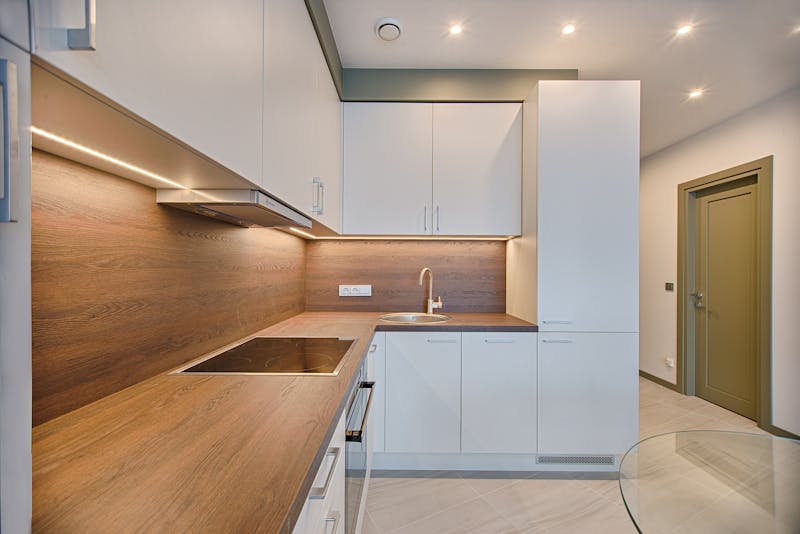
Fix and flip took a hit in 2022-2023 when rates spiked and margins compressed. In 2026, the investors still doing it profitably have adapted their criteria, tightened their numbers, and gotten very specific about where they operate. Here is the honest picture.
The State of Fix and Flip in 2026
The short answer: yes, fix and flip still works in 2026 - but the margin for error is smaller than it was in 2020-2021, and the deals that work are more specific.
The investors thriving are those buying deep enough (60-65% of ARV all-in), working in markets with strong buyer demand and limited inventory, keeping rehab scopes tight and timelines under 4 months, and using hard money efficiently with a clear exit strategy before they buy.
The investors struggling are those using 2021-era comps, underestimating holding costs in a high-rate environment, and over-rehabbing to luxury standards in middle-market neighborhoods.
The 70% Rule - Still Valid in 2026?
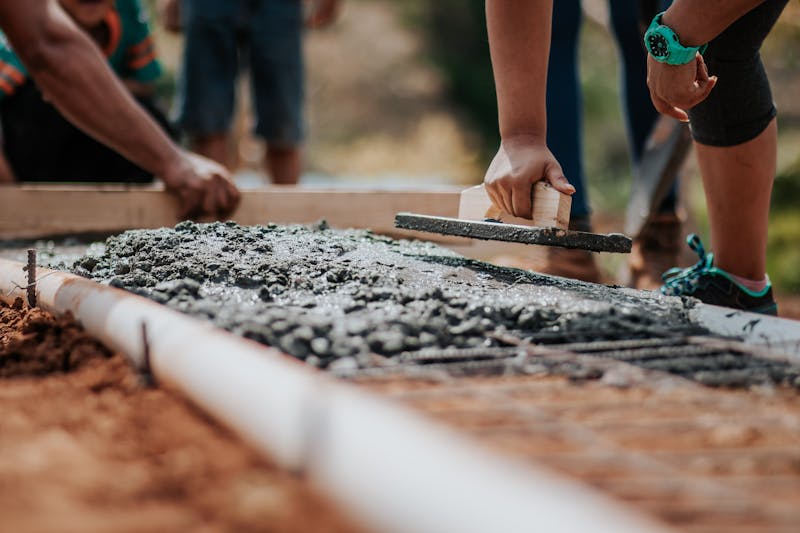
The 70% rule states: Maximum Allowable Offer = ARV × 0.70 - Rehab Costs. A property with a $300,000 ARV and $40,000 rehab budget should not be purchased for more than $170,000.
In 2026, many experienced flippers are using 65% or even 60% in high-cost money markets to account for higher carrying costs. The rule is directionally correct but needs to be calibrated to your specific market and financing costs.
The more precise approach: work backwards from your target profit. If you need $40,000 net profit on a deal, build that into your MAO calculation explicitly rather than relying on a percentage rule that does not account for your actual cost of capital.
What Markets Are Working for Flips in 2026
The best flip markets share common characteristics: strong job growth driving buyer demand, inventory constraints keeping days-on-market low, a wide spread between distressed and retail pricing, and contractor availability that keeps rehab timelines manageable.
Secondary and tertiary markets in the Southeast and Midwest continue to be the sweet spot for flippers in 2026. Markets like Memphis, Columbus, Indianapolis, and Charlotte offer strong spread and manageable competition compared to gateway cities.
California remains viable for experienced flippers with strong contractor networks and deep enough acquisition prices, but the holding cost math is unforgiving - a 6-month flip in LA carries $30,000+ in holding costs alone.
The Numbers Every Flipper Must Model Before Buying
Before making any offer, calculate: purchase price, estimated rehab (with a 15-20% contingency), hard money or financing costs for the full hold period, carrying costs (taxes, insurance, utilities for estimated hold time), agent commissions on sale (typically 5-6%), closing costs on both purchase and sale, and your target profit.
The most common mistake: only modeling the best-case scenario. Always run a stress test - what if rehab runs 20% over? What if days-on-market runs 90 days instead of 30? Deals that work in the base case AND the stress case are the ones worth pursuing.
Run a full AI analysis in under 60 seconds - free to start.
Analyze Your Flip Deal →