
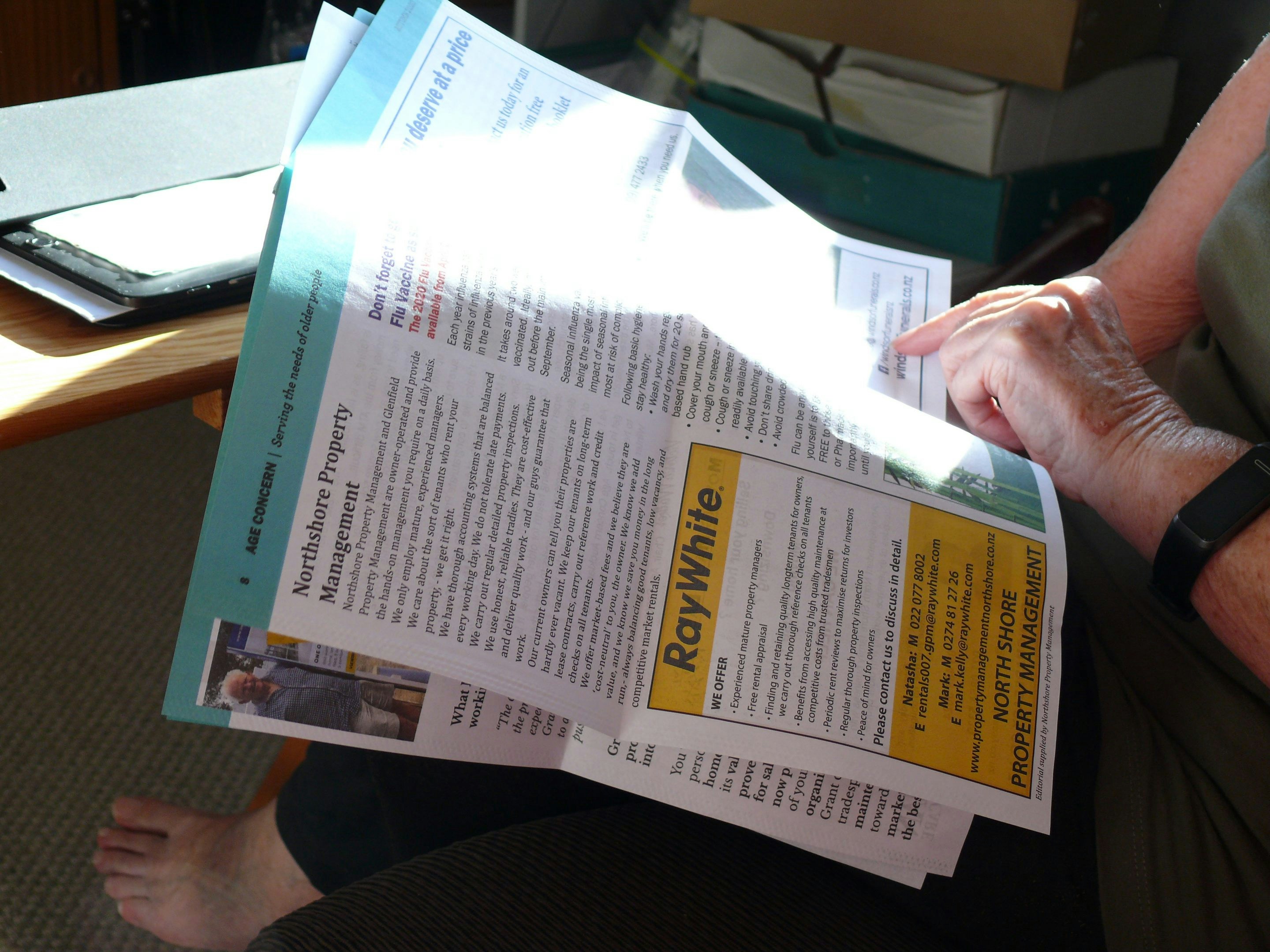
Introduction to Property Management
Property management serves as a critical component in the realm of real estate investment, particularly for individuals managing multiple investment properties. The effective management of these properties not only maximizes rental income but also enhances property value and ensures tenant satisfaction. As the scale of property ownership increases, so too does the complexity involved in overseeing these assets. Investors often face a variety of challenges, which necessitate a structured approach to property management.
- Introduction to Property Management
- Assessing Your Current Management Practices
- Leveraging Technology for Property Management
- Creating Standard Operating Procedures (SOPs)
- Outsourcing and Using Professional Services
- Effective Communication Strategies with Tenants
- Implementing a Maintenance Management System
- Monitoring and Analyzing Performance Metrics
- Conclusion and Future Trends in Property Management
One of the primary challenges in managing multiple investment properties is time management. Investors must allocate time judiciously to handle tenants’ needs, property maintenance, and administrative tasks. The lack of efficient time management can lead to tenant dissatisfaction, increased vacancies, and ultimately, a decrease in profitability. Hence, adopting time-saving strategies and tools for organization can significantly improve one’s ability to handle multiple properties effectively.
Another key aspect of property management is fostering strong tenant relations. Good communication is paramount; it helps in addressing tenant issues promptly, thereby reducing turnover rates. Happy tenants are more likely to renew leases and take care of the property, which benefits the overall investment. It is crucial for property managers to establish clear lines of communication and to respond to inquiries and maintenance requests in a timely manner.
Lastly, maintenance requirements must be systematically addressed. Regular property inspections, prompt repairs, and proactive management can mitigate larger issues from developing, safeguarding the investor’s assets. Implementing a streamlined maintenance process not only ensures that properties remain in good condition but also aids in keeping tenants satisfied. In summary, understanding the fundamentals of property management is essential for investors aiming to successfully navigate the complexities of overseeing multiple investment properties.
Assessing Your Current Management Practices
Effectively managing multiple investment properties requires a systematic approach to evaluating your current management practices. This assessment is vital for identifying areas of improvement that can enhance overall profitability. Start by reviewing your existing management strategies to determine what is working well and what might require adjustment. This thorough analysis can help you maximize your investment returns.
Begin with a comprehensive audit of your current management practices. Analyze key performance indicators, such as occupancy rates, tenant turnover, maintenance response times, and financial reporting efficiency. It is also crucial to collect feedback from tenants regarding their experiences, as they can provide valuable insights into the effectiveness of your management practices.
Identifying strengths within your current management framework is equally as important as pinpointing weaknesses. Consider what aspects of your operations produce consistent results and tenant satisfaction. Segments like tenant screening processes, lease enforcement, and communication channels may provide a competitive edge, contributing positively to your investment property’s performance.
Conversely, recognizing inefficiencies is pivotal in the assessment process. Common issues may include delayed maintenance responses, ineffective marketing strategies, or inconsistent tenant management policies. These inefficiencies can lead to tenant dissatisfaction, increased vacancy rates, and ultimately reduced profitability. Documenting these shortcomings will facilitate the development of targeted improvement strategies.
A comprehensive understanding of how your current management practices affect the financial health of your investment portfolio is paramount. By thoroughly evaluating these practices, you can establish a clear path toward optimizing your property management approach, ensuring a streamlined, more profitable operation across all your investment properties.
Leveraging Technology for Property Management
In today’s fast-paced real estate environment, leveraging technology for property management can significantly enhance operational efficiency. Property management software has emerged as an essential tool for landlords and property managers. Such software typically consolidates multiple functions—rental listings, tenant screening, lease tracking, and maintenance management—into a single platform. This centralization simplifies the management process, allowing users to access all relevant property information in one place.
In addition to property management software, automated communication systems have become invaluable in streamlining communication between landlords, tenants, and service providers. These systems can automate responses to common inquiries, send reminders for rent payments, and keep tenants informed about maintenance schedules. By reducing manual communication, property managers can minimize errors and enhance tenant satisfaction, which can contribute to improved tenant retention rates.
Moreover, the introduction of digital payment platforms has revolutionized the way transactions are conducted in the rental sector. These platforms facilitate electronic rent collections, making it easier for tenants to pay their dues promptly. With options for auto-pay, tenants can ensure rent is paid on time, alleviating concerns for property managers regarding late payments. Furthermore, digital payment systems often provide a secure and transparent transaction record that simplifies accounting and bookkeeping processes. The integration of these technological solutions not only saves time but also mitigates errors in record-keeping.
By adopting these technological tools, property managers can streamline operations, boost productivity, and enhance the overall management of multiple investment properties. Emphasizing efficiency through technology is a strategic move that allows for better resource allocation and enhances the tenant experience, ultimately leading to greater success in property management.
Creating Standard Operating Procedures (SOPs)
Establishing Standard Operating Procedures (SOPs) is a crucial step in efficiently managing multiple investment properties. SOPs serve as documented guidelines that define processes, ensuring that property management tasks are conducted in a consistent manner. This consistency is essential, as it leads to improved efficiency, enhanced tenant satisfaction, and streamlined operations.
One of the primary areas where SOPs are beneficial is tenant screening. By setting clear protocols on how to evaluate potential tenants—such as credit checks, background checks, and income verification—property managers can minimize the risk of costly evictions and create a stable tenant base. Similarly, lease signing procedures should be detailed in an SOP, addressing everything from document preparation to the execution of the lease, ensuring that all legal obligations are met without complication.
Maintenance requests also warrant specific SOPs. A well-defined procedure can ensure that tenant requests are efficiently addressed, from the moment a maintenance issue is reported to the resolution of the problem. This minimizes turnaround times and enhances tenant satisfaction. The ability to track maintenance needs and responses also contributes to a pro-active approach to property management, helping to maintain the property’s value over time.
Additionally, SOPs related to rent collection are vital for ensuring timely payments and minimizing delinquencies. By outlining the processes for invoicing, acceptable payment methods, and follow-up actions for missed payments, property managers can reinforce a professional and reliable financial environment for both themselves and their tenants.
In summary, implementing Standard Operating Procedures in property management not only amplifies operational efficiency but also heightens tenant satisfaction across all managed properties. By paying close attention to tenant screening, lease signing, maintenance requests, and rent collection, property managers can standardize their processes and achieve greater success in their property investment endeavors.
Outsourcing and Using Professional Services
Managing multiple investment properties can be an intensive and demanding endeavor. For many property owners, the prospect of overseeing various tasks—from tenant maintenance to financial record-keeping—can be overwhelming. This is where outsourcing comes in as a practical solution. By engaging professional services, property owners can significantly enhance the efficiency of their management processes.
One of the primary benefits of outsourcing is the time it saves for property owners. By delegating specific management tasks, such as tenant screening or property maintenance, to property management companies, owners can focus on strategic planning and expansion of their investment portfolio. Professional property managers are equipped with expertise in the real estate market, providing owners with valuable insights that can lead to better decision-making.
Furthermore, when engaging maintenance services, property owners gain access to a network of skilled professionals who can address repairs and upkeep promptly. This not only ensures that properties remain in optimal condition but also enhances tenant satisfaction, likely resulting in longer tenancy periods and reduced turnover rates.
In addition, legal advisors play a critical role in ensuring compliance with local laws and regulations. Property management can involve navigating intricate legalities, such as lease agreements and tenant-landlord laws. By outsourcing these responsibilities to qualified legal professionals, property owners can mitigate potential risks and avoid costly legal disputes.
Moreover, professional property management services often utilize advanced management software that streamlines operations, from online rent collection to maintenance request tracking. This technological integration can lead to improved service quality and operational efficiency.
In summary, outsourcing property management tasks to professionals not only saves valuable time for owners but also enhances service quality and compliance. By leveraging external expertise, property owners can allow themselves to concentrate on growing their investments while ensuring their properties are effectively managed.
Effective Communication Strategies with Tenants
Strong communication between landlords and tenants is crucial for the smooth management of multiple investment properties. Effective strategies can contribute significantly to resolving issues, enhancing tenant satisfaction, and fostering better tenant retention rates. One of the fundamental approaches to achieve this is by maintaining open lines of communication. Scheduling regular check-ins, whether through emails, phone calls, or in-person meetings, allows landlords to gauge tenant satisfaction and address any concerns promptly.
Additionally, it is important to ensure that communication is clear and concise. Landlords should provide tenants with clear instructions regarding property rules, maintenance requests, and payment processes. Using easily understandable language reduces the chance of misunderstandings that could lead to conflicts. Furthermore, leveraging technology can streamline communication. Implementing a property management software system or mobile app can facilitate easier interaction, where tenants can submit maintenance requests, make payments, and receive updates on property matters in real-time.
Listening is another vital component of effective communication. Encouraging tenants to share feedback or concerns creates an environment where they feel valued and understood. Actively listening to tenant issues not only helps in resolving them quickly but also builds trust and loyalty. When tenants feel heard, they are more likely to remain satisfied with their living conditions, thereby enhancing retention rates.
Moreover, establishing a formal communication policy can also be beneficial. This policy may outline preferred communication methods, response times, and procedures for addressing issues. By setting these expectations, both landlords and tenants can have a better understanding of how to interact with one another effectively. Ultimately, successful communication strategies can lead to smoother interactions and more positive relationships with tenants, significantly enhancing the overall property management experience.
Implementing a Maintenance Management System
Effectively managing multiple investment properties involves establishing a structured maintenance management system. A comprehensive maintenance system not only ensures that properties remain in optimal condition, but also promotes tenant satisfaction, which is essential for long-term retention. A robust management system incorporates regular maintenance schedules for routine inspections, servicing, and repairs, significantly reducing the risk of unexpected breakdowns and ensuring that all units are maintained to a high standard.
Creating a maintenance management strategy starts with developing a calendar that outlines key dates for regular upkeep. This could include seasonal inspections of heating and cooling systems, plumbing, electrical systems, and maintaining exterior features such as roofs and landscaping. By adhering to this schedule, property owners can prevent larger issues down the line, ultimately safeguarding their investments.
In addition, the implementation of a system for responding promptly to tenant repair requests can further streamline property management. Utilizing technology, such as property management software, allows for organized tracking of requests, prioritizing urgent issues, and monitoring the progress of repairs. Enhanced communication channels between tenants and property managers ensures that maintenance concerns are addressed in a timely manner, thereby minimizing downtime and potential tenant disputes. Moreover, establishing a network of qualified maintenance professionals facilitates quick responses to emergencies and routine repairs, ensuring properties remain attractive and safe.
Ultimately, a maintenance management system plays a crucial role in the overall management of multiple investment properties. It serves as a proactive approach to property upkeep, thereby improving the conditions of each unit and fostering positive tenant experiences. By integrating regular maintenance and responsive repair processes, property managers can optimize their operational efficiency while protecting their valuable investments.
Monitoring and Analyzing Performance Metrics
Effective management of multiple investment properties necessitates a robust system for monitoring and analyzing performance metrics, commonly referred to as key performance indicators (KPIs). KPIs serve as a vital tool to assess the health and profitability of your properties, enabling informed decision-making that can lead to enhanced financial outcomes.
Among the most critical metrics to track are occupancy rates and maintenance response times. Occupancy rates provide insights into the effectiveness of your marketing strategies and tenant retention efforts; a higher occupancy rate typically indicates successful property management that attracts and retains tenants. Conversely, low occupancy may signal underlying issues that need addressing, such as pricing concerns or inadequate property conditions.
Maintenance response times are equally important. They reflect the efficiency of your property management team and affect tenant satisfaction significantly. Delayed responses to maintenance requests can lead to tenant frustration and possibly a higher turnover rate, which can negatively impact overall profitability. By measuring response times and tenant satisfaction in relation to maintenance services, property managers can make necessary adjustments to ensure a more responsive and committed approach to property upkeep.
Other vital KPIs include rent collection rates and tenant turnover rates. Monitoring rent collection helps evaluate the financial stability of your investment, while tracking tenant turnover provides context for understanding the effectiveness of your management practices. By analyzing these metrics consistently, real estate investors can gain a clearer perspective on the operational efficiency of their properties.
In conclusion, systematic monitoring and analysis of performance metrics empower property owners to navigate the complexities of property management. By focusing on KPIs such as occupancy rates and maintenance response times, investors can make data-driven decisions that enhance their investment’s overall performance and sustainability.
Conclusion and Future Trends in Property Management
In conclusion, effective management of multiple investment properties requires a multifaceted approach that encompasses strategic planning, innovative technology, and a comprehensive understanding of tenant needs. The integration of property management software can greatly enhance operational efficiency by streamlining tasks such as rent collection, maintenance scheduling, and tenant communication. By adopting these technologies, property owners can not only save time but also reduce overhead costs, enabling them to focus on growth initiatives.
Furthermore, property management is increasingly influenced by evolving tenant expectations. Today’s renters are more tech-savvy and value convenience and transparency in their rental experiences. As such, property owners are urged to implement flexible leasing options and modern amenities that cater to these demands. Customizing the living experience will not only attract a wider range of potential tenants but also retain existing ones, ultimately leading to lower vacancy rates and increased rental income.
The future trends in property management are characterized by the continuous amalgamation of technology and service. Innovations such as artificial intelligence, data analytics, and automation are transforming traditional property management practices. These advancements promise to enhance tenant satisfaction through improved service interaction, efficient property maintenance, and data-driven decision-making. Additionally, the rise of remote work and shifting demographic trends suggest that property owners may need to adapt their investment strategies to meet changing market demands.
In summary, by embracing these future trends and harnessing modern technology, property owners can streamline their management processes, boost tenant satisfaction, and position themselves for success in an increasingly competitive landscape. Staying ahead in property management will not only provide a stronger return on investment but also foster long-term relationships with tenants, ensuring sustainable growth for many years to come.
🔗 Tools & Resources for Investors
Want David to Review Your Deal?
Get a personalized gameplan from David J. Moore, MBA — CEO of YPN Inc., 10,000+ loans closed at Chase & Wells Fargo.
