
Introduction to Rental Property Analysis
Analyzing rental properties is a crucial step for anyone involved in real estate investment. Whether you are a novice investor or a seasoned professional, understanding the nuances of property analysis can significantly influence your investment decisions. The rental market presents various challenges, including fluctuating property values, changing tenant preferences, and evolving market conditions. Thus, a thorough analysis of rental properties is indispensable in mitigating risks and maximizing returns.
Traditional methods of rental property analysis typically involve a blend of manual calculations and market research. Investors often spend hours, if not days, sifting through data, comparable property sales, cash flow projections, and neighborhood trends. This not only consumes valuable time but also increases the likelihood of human error, potentially leading to misguided investment decisions. Given these shortcomings, there is a growing need for more efficient analytical methods.
In recent years, advancements in technology have paved the way for the utilization of artificial intelligence (AI) in property analysis. AI tools can analyze extensive datasets in a fraction of the time it takes a human, offering investors actionable insights and streamlined reporting. By processing historical trends, market forecasts, and real-time data, AI can help investors make informed decisions rapidly, allowing them to act swiftly in a competitive real estate landscape. This transformational approach makes rental property analysis not only more efficient but also more accurate, ultimately enabling investors to focus on strategic growth rather than getting bogged down in the analytical complexities.
Understanding the Key Metrics
When evaluating a rental property, understanding key metrics is critical for making informed investment decisions. Among the fundamental metrics are cash flow, capitalization rate (cap rate), return on investment (ROI), and occupancy rates. Each of these metrics offers insights into the property’s financial performance and potential return.
Cash flow refers to the net income generated by the property after deducting all expenses, including mortgage payments, property management fees, and maintenance costs. Positive cash flow indicates that the property generates sufficient income to cover its costs, making it a viable investment option. Conversely, negative cash flow could signal potential financial issues, highlighting the importance of assessing this metric carefully.
The capitalization rate is another essential metric that helps investors gauge the profitability of a rental property. It is calculated by dividing the net operating income (NOI) by the purchase price. A higher cap rate can indicate a potentially better return on investment, but it may also reflect higher risk levels. Understanding the market standards for cap rates in specific areas is vital for making comparative assessments.
Return on investment (ROI) measures the benefit relative to the investment’s cost. This metric allows investors to determine how well their money is performing. It can be calculated in several ways, but a common formula is to subtract the initial investment from the net profit and divide that by the initial investment. High ROI values suggest effective asset utilization, which is a crucial factor for any real estate investor.
Lastly, occupancy rates indicate the percentage of rental units that are occupied. High occupancy rates are essential for steady cash flow and can impact rental pricing strategies. Investors should continuously monitor this metric to understand market dynamics and tenant demand.
Benefits of AI in Property Analysis
In the realm of real estate, the advent of Artificial Intelligence (AI) has revolutionized the property analysis process. One of the most significant advantages of utilizing AI technology is speed. Traditional property analysis often entails extensive data gathering, manual calculations, and time-consuming evaluations. AI can expedite these tasks, allowing analysts to evaluate potential investments within minutes rather than hours or days. This efficiency is particularly beneficial for investors who seek to analyze multiple properties in a short time frame.

Another key benefit of AI in property analysis is accuracy. Human error is inevitable in manual assessments, whereas AI systems leverage algorithms that enhance precision and consistency. By parsing through large datasets, AI can identify patterns and anomalies that might be overlooked by human analysts. This capability not only streamlines the analysis process but also ensures that decisions are informed by reliable data. In a market where misjudgments can result in substantial financial losses, the accuracy offered by AI is invaluable.
Moreover, AI excels in processing vast amounts of data quickly and effectively. In the age of big data, real estate professionals have access to a plethora of information concerning market trends, property values, demographic shifts, and economic indicators. However, managing and interpreting this data manually can be an arduous task. AI algorithms can handle large datasets seamlessly, allowing for comprehensive analysis that provides deeper insights into property performance. This ability to sift through extensive information not only enhances decision-making but also empowers investors to uncover hidden opportunities in the market.
Overall, the integration of AI technology in property analysis facilitates faster, more accurate evaluations while effectively managing and interpreting large volumes of data. As the real estate market continues to evolve, embracing these technological advancements will be critical for investors seeking to maintain a competitive edge.
Choosing the Right AI Tools
When analyzing rental properties, selecting the right AI tools is paramount to ensure effective and efficient assessments. Various platforms are available, each offering unique features tailored for distinct aspects of real estate analysis. Prominent tools include Zestimate by Zillow, Redfin’s Estimate, and more specialized software like Mashvisor and Roofstock. These platforms utilize advanced algorithms to provide property valuations, rental pricing estimates, and neighborhood insights.
When evaluating these tools, consider several essential features. Look for software that provides comprehensive data analytics, integrating historical pricing trends, neighborhood demographics, and economic indicators. Tools that offer user-friendly interfaces are particularly beneficial for beginners, facilitating ease of use without sacrificing depth of information. Additionally, some platforms incorporate machine learning capabilities, allowing users to receive tailored recommendations based on their specific preferences and investment goals.
Another critical aspect to consider is whether to opt for free or paid tools. Free options, while accessible, may have limitations in data granularity and analytical depth. For instance, while basic estimates can be generated for free, a more detailed analysis often requires a subscription. Paid services typically provide richer datasets and sophisticated predictive features, thus catering to serious investors or real estate professionals. It is advisable to weigh the cost against the potential return on investment, especially if you plan to make significant investment decisions based on the data received.
In summary, when selecting AI tools for rental property analysis, always prioritize functionality and usability while assessing your specific analysis needs. By carefully choosing the right tools, investors can simplify their decision-making processes and enhance their property evaluation strategies.
Setting Up Your Analysis Framework
When embarking on a journey to analyze rental properties using AI tools, establishing a robust analysis framework is paramount. The first step in this process is to input the essential property data. This includes basic information such as the property’s location, square footage, number of bedrooms and bathrooms, and rental price. Additionally, it’s beneficial to gather historical occupancy rates, neighborhood trends, and even local amenities, as these can significantly influence rental performance.
Once the data is collected, the next stage involves selecting suitable algorithms or analysis features within the AI tools. Different properties may require distinct analytical approaches; for instance, cash flow analysis may differ from appreciation forecasting. AI platforms often come equipped with various analytical models—some might specialize in predictive analytics, while others focus on risk assessment. Understanding the nuances of these algorithms allows for more accurate predictions tailored to your investment strategy.
Setting parameters based on individual investment goals is a crucial aspect of the analysis framework. Are you aiming for long-term capital appreciation, or is immediate cash flow your priority? By aligning the analysis settings with your specific objectives, the AI tool can generate insights tailored to your needs. For instance, if your goal is to improve cash flow, you may want to set profitability thresholds or occupancy rate targets. By establishing these clear parameters, you enable the AI to deliver actionable analytics that align with your investment strategy.
In summary, creating an effective analysis framework involves a systematic approach that encompasses data input, algorithm selection, and parameter setting tailored to your investment goals. This structured methodology not only enhances the accuracy of your analysis but also enables more informed decision-making in the complex realm of rental properties.
Performing the Analysis in 10 Minutes
Conducting a rental property analysis using AI can be efficiently accomplished in just ten minutes by following a structured approach. This step-by-step guide will illustrate how the advantages of AI technologies can streamline the analysis process and enhance decision-making.
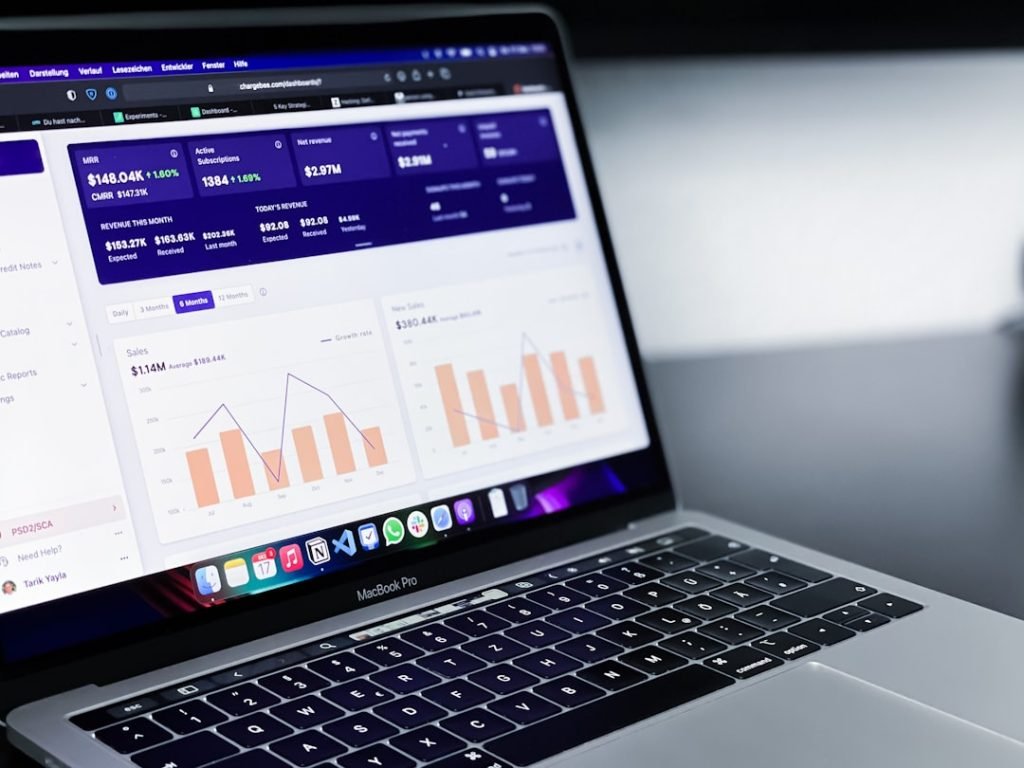
First, gather essential property details, including the address, property type, size, and rental history. You can input this information into an AI-powered rental analysis tool. Many platforms, such as Zillow or Roofstock, provide features that allow users to input property data quickly, generating an informative report.
Once the property data is in the system, the next step is to assess comparable rental properties in the area. AI algorithms can filter through thousands of listings to identify properties with similarities in size, amenities, and neighborhood characteristics. For example, you can observe that a two-bedroom apartment in the same block rents for approximately $2,500, leading to crucial insights about market rents.
The third step involves evaluating operational expenses. AI tools can help you estimate costs such as property management, maintenance, insurance, and taxes. By automating this process, you can reduce the time spent gathering and analyzing these costs. For instance, an AI software may indicate that average maintenance costs run at around 5% of rental income for similar properties.
Next, analyze financial projections using the data retrieved. This stage should include inputs like expected cash flow, return on investment, and capitalization rate—all calculated in real-time. The AI can generate a comprehensive financial overview, allowing investors to visualize potential scenarios swiftly. For instance, if the tool shows a 7% cap rate based on current market conditions, this could signal a positive investment opportunity.
Finally, within those ten minutes, review the AI-generated insights and predictions, consider making quick notes on any notable trends or red flags observed in the analysis. By utilizing AI tools, the entire rental property analysis process becomes more accessible and efficient, equipping investors with the critical information necessary to make informed decisions.
Interpreting the Results
Once you have generated the analysis of a rental property through AI, it is crucial to understand the results effectively to make informed investment decisions. AI can provide a wealth of information, but interpreting this data properly is essential. Start by examining key metrics, such as cash flow projections, occupancy rates, and the cap rate. These indicators are typically foundational benchmarks in real estate investment analysis.
Firstly, assess the cash flow results. A positive cash flow means that the income generated from the property exceeds the expenses, which is favorable. On the contrary, negative cash flow may indicate potential financial strain. Next, scrutinize the occupancy rates provided by the AI. A higher occupancy rate relative to local benchmarks suggests that the property is in demand, which is a good sign for ongoing rental income.
Focus on the comparative analysis between the AI-generated metrics and the expected benchmarks for the local market. This includes comparisons with similar properties regarding rental rates and vacancy trends. If your property’s cash flow is lower than the average in the area, investigate further as this might reveal underlying issues or market trends that could affect future performance.
Importantly, keep in mind that AI analyzes data patterns, but it does not account for unique factors like neighborhood changes or recent developments that could impact the property value. Therefore, it is essential to use AI outputs as part of a broader evaluation strategy. Cross-reference the AI’s insights with your own research, including property inspections and local market analysis, to ensure a comprehensive understanding.
Ultimately, interpreting AI-generated results requires consideration of context, benchmarks, and market dynamics. By doing so, you can enhance your decision-making process when analyzing rental properties.
Common Pitfalls to Avoid
Investing in rental properties can be optimized through the use of artificial intelligence, but there are significant pitfalls that investors must be wary of when relying on technology for property analysis. One of the most prevalent mistakes is an over-reliance on AI-driven tools. While these systems can process vast amounts of data and provide insights quickly, they lack the qualitative assessments that human expertise can offer. Investors should ensure that AI serves as a complementary tool rather than a standalone decision-maker.

Data entry errors pose another substantial risk in the analysis process. If the data fed into the AI system is inaccurate or incomplete, the conclusions derived can lead to misguided investment decisions. It is essential for investors to rigorously verify all input data before it is processed by an AI tool. Regular audits of the data entry process can mitigate these risks and enhance the reliability of the analysis.
Moreover, misunderstanding analytics can lead to misinterpretation of the results. Investors may misread key performance indicators or overlook important trends due to a lack of familiarity with the analytics presented. To counter this issue, it is beneficial to develop a foundational understanding of real estate metrics and analytics. Seeking professional guidance or conducting further research can empower investors to correctly interpret the results of AI analysis.
To avoid these common pitfalls, investors should commit to a balanced approach, utilizing AI as a tool while leveraging human judgment and experience. Keeping personal involvement in the data validation process and continuously educating oneself about analytics will greatly enhance the effectiveness of AI in rental property assessment.
Conclusion and Next Steps
In an era where technology shapes decision-making, employing artificial intelligence (AI) for rental property analysis presents a revolutionary opportunity for investors. The integration of AI tools enables users to efficiently analyze properties by processing vast datasets in a fraction of the time it would traditionally take. This streamlined approach eliminates much of the guesswork associated with real estate decisions, allowing investors to make informed choices rapidly.
Utilizing AI not only enhances efficiency but also provides clearer insights into market trends and property performance. It allows investors to gauge potential rental income, assess property appreciation prospects, and understand local market dynamics effortlessly. As a result, risk management improves significantly, giving investors the confidence to proceed with their investments. The ability to analyze numerous properties in just ten minutes means you can pinpoint lucrative opportunities that may have otherwise gone unnoticed.
As you take the next steps in your real estate investment journey, consider leveraging the AI tools discussed. Make use of the knowledge gained from this analysis process to enhance your portfolio and expand your understanding of the market. Additionally, educating yourself continuously can provide you with a competitive edge; therefore, explore further educational resources that offer insights into real estate investment strategies and the latest technological advancements.
Joining online communities or forums dedicated to real estate ownership and AI applications can also prove beneficial. Engaging with like-minded individuals can enhance your learning experience, and the sharing of information might uncover valuable resources. By taking these actions, you can position yourself optimally within the evolving landscape of real estate investment powered by artificial intelligence.